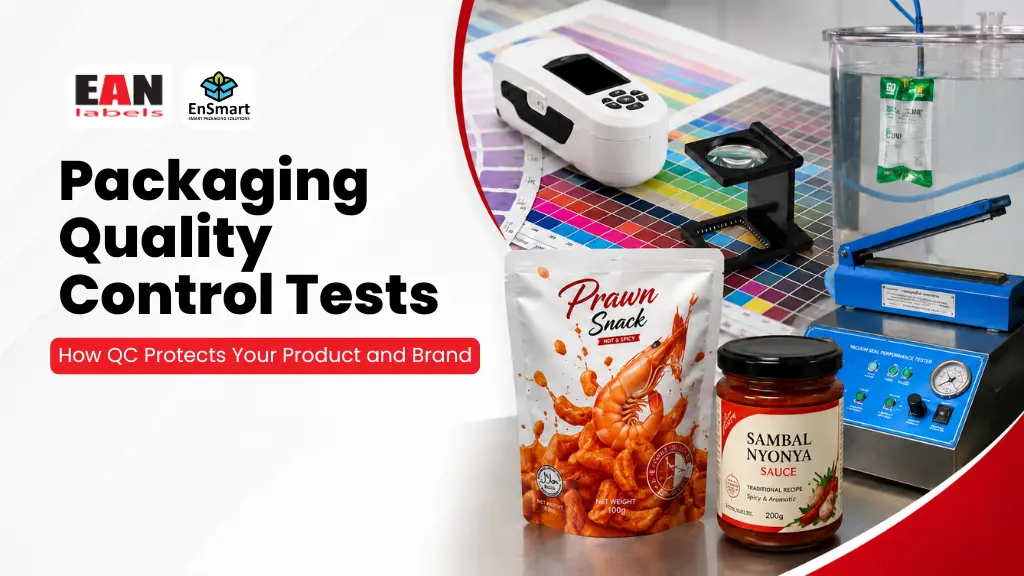
Packaging may look acceptable at first glance, but small quality problems can quickly become bigger business problems. Inconsistent colour weakens brand recognition, unclear printing can hide important information, a leaking pouch can affect the product, and a lifting label or weak box can damage presentation.
Packaging quality control tests reduce these risks by checking printed packaging against approved artwork, colour, dimensions, material and functional requirements before release. For a business, QC is not only a technical step—it is part of protecting the product, launch schedule and brand reputation.
How Can Packaging Defects Affect Your Business?

Packaging is often one of the first things customers see. A defect can interrupt packing, create rejected stock or delay delivery, but the customer simply associates the finished result with the brand.
Consider the practical effect of common defects:
- Inconsistent colour makes the same brand look different across batches or sales channels.
- Unclear printing can reduce the readability of ingredients, instructions, batch details or small product text.
- Leakage can reduce confidence in the package and may expose the contents to unwanted air or moisture.
- Incorrect size can stop a pouch, label or box from fitting the product or packing process correctly.
- Lifting labels makes containers look old, damaged or low quality.
- Poor box structure can affect assembly, product fit, stacking and retail presentation.
A cheap quotation becomes expensive when packaging needs rework or replacement. Buyers should compare suppliers on more than price and print capability.
What Is Quality Control in Packaging Printing?
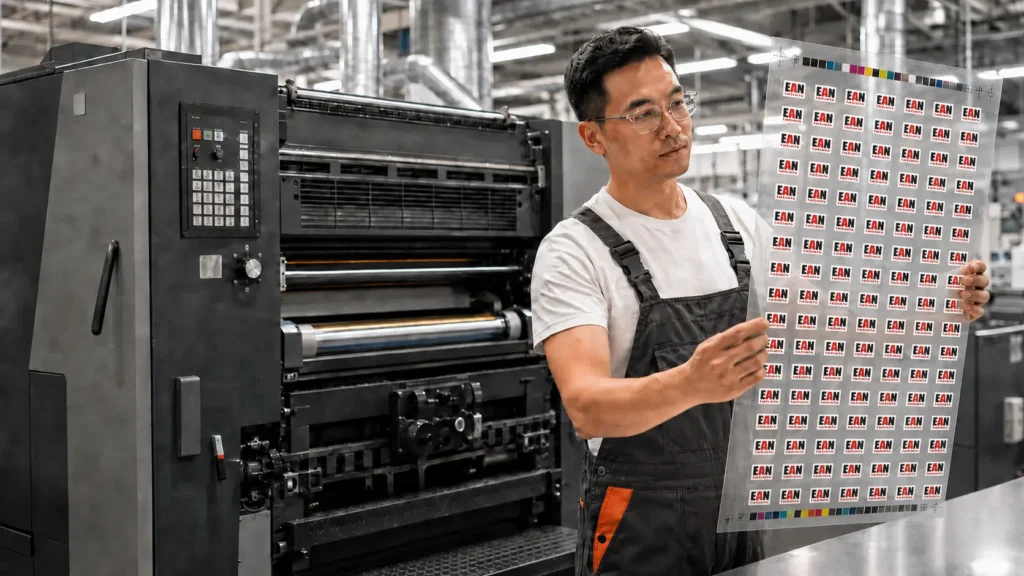
Quality control in packaging printing is the planned inspection of production samples against agreed requirements. These requirements may include the approved artwork, colour reference, dimensions, material, cutting position, seal area, finishing and functional needs of the packaging.
Quality assurance sets procedures intended to prevent problems, while quality control checks the actual output against the agreed specification.
The right checklist depends on the format, product, application and risk. Pouches, labels and boxes share printing checks but have different functional priorities.
At What Stages Is Packaging Quality Checked?
Packaging QC takes place at three important stages:
| QC stage | Main purpose | Main check areas |
|---|---|---|
| Before Production | Check everything before mass production | Designer QC barcode and artwork, then sends the artwork confirmation to the customer for final checking before production. Mock-ups are provided for real-fit testing where applicable |
| During Production | Detect and correct issues before the full batch is completed | Colour, size, print quality, artwork, print registration (colour alignment) and cutting position |
| After Production | Confirm the finished packaging is suitable for release | Seal integrity, leakage, whether features work properly and overall finished condition |
The difference is simple:
During-production QC checks whether the packaging is being produced correctly.
After-production QC checks whether the finished packaging performs correctly and is suitable for release.
Quality Control During Production
During production, samples are reviewed while the job is still running. If colour, print alignment, size, artwork or cutting position does not match the approved requirement, adjustments can be made before the same issue affects the entire batch.
The focus is process control: identify the issue early, correct it and reduce unnecessary rework, waste or delay.
Quality Control After Production
After production, selected packaging is reviewed as a completed item. The focus shifts from adjusting the running job to confirming seal integrity, visible leakage, whether relevant features work properly and the overall appearance before release.
The focus is finished-product control: packaging that does not meet the agreed requirement can be held for review instead of being released to the customer.
What Are the 7 Common Packaging Quality Control Checks?
The three stages explain when quality control happens. The following seven checks explain what may be reviewed, depending on the packaging format and production requirement.
1. Artwork Verification
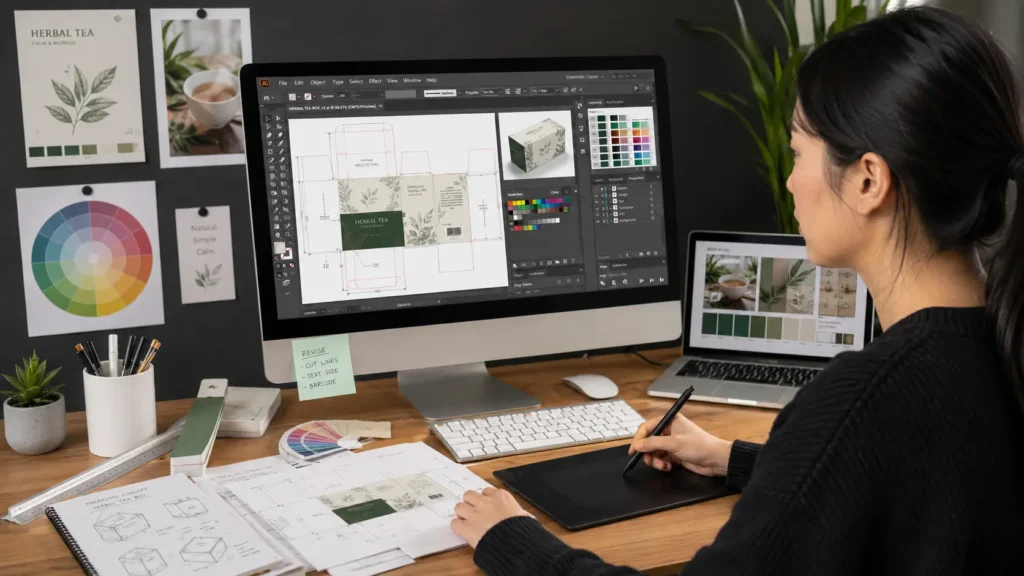
Artwork verification confirms that production uses the latest approved file with the correct text, logos, images and design elements.
Perfect printing cannot fix the wrong artwork version. Buyers should provide one clearly approved file before production.
2. Colour Accuracy
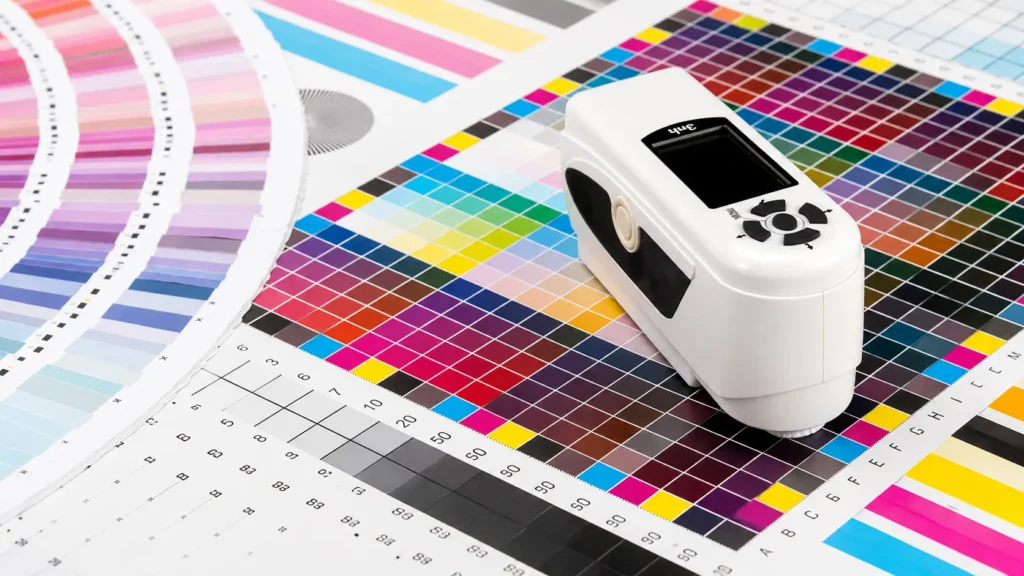
Colour accuracy checks whether the printed colour remains close to the approved reference. Visual inspection is useful, while instrument-assisted colour measurement provides a more objective comparison and reduces differences caused by individual colour perception. X-Rite explains how measurement instruments support consistent, data-based colour evaluation.
3. Print Quality
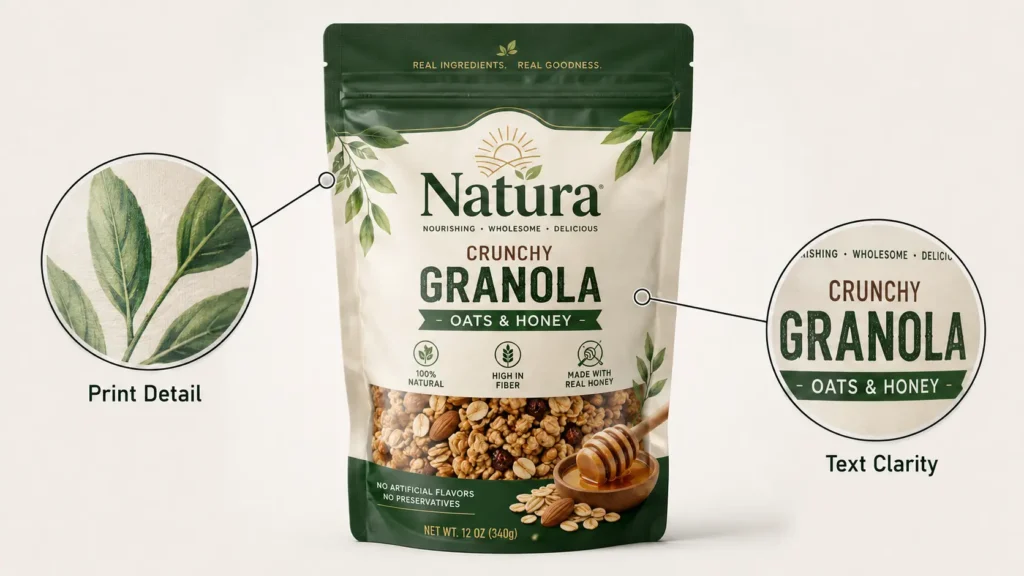
Print-quality inspection looks for registration problems, unclear text, missing print, streaks, scratches or smudging. Small information must remain readable.
The approved sample helps inspectors catch defects without relying on memory or subjective descriptions.
4. Size and Material
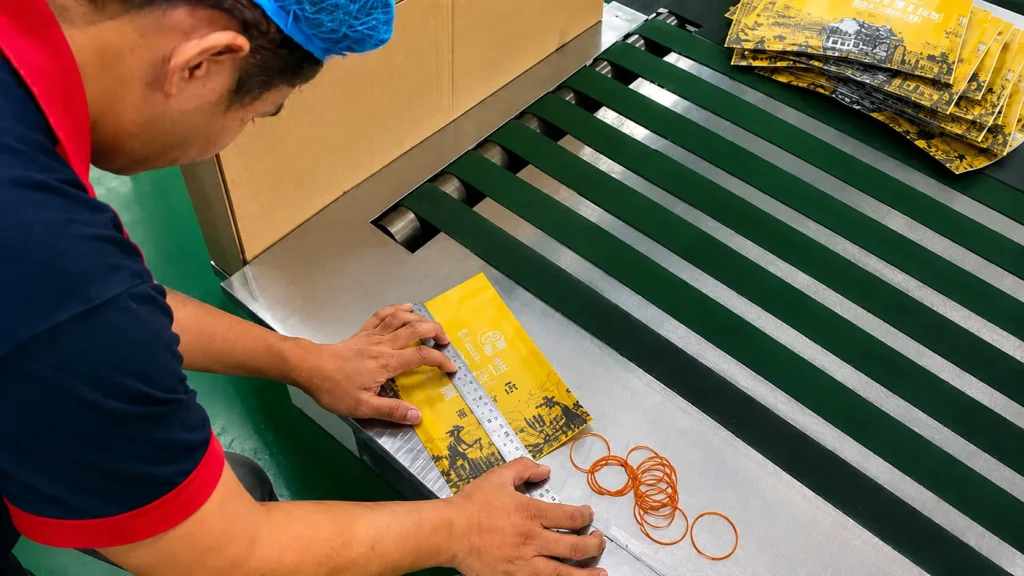
Size and material checks confirm that the packaging matches the job specification. Relevant measurements may include overall dimensions, cut position, label shape, seal area or box score lines, depending on the format.
An incorrect size can stop labels fitting the container, pouches suiting the filling process or boxes holding the product correctly.
5. Seal Integrity
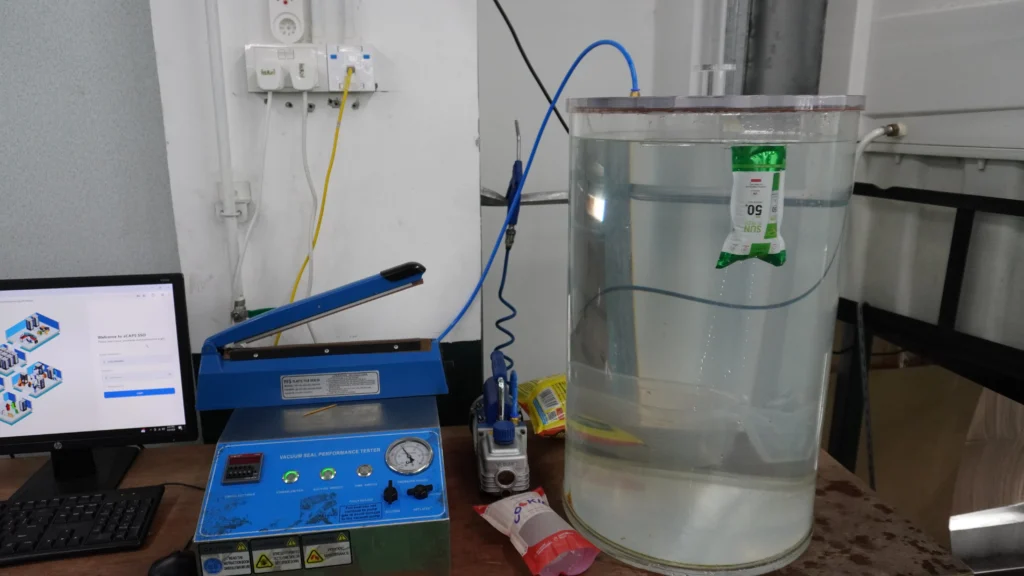
Seal-integrity checks look for leak paths in applicable flexible packaging. This may include the water-pressure bubble leak test described above.
Seal integrity is not the same as seal strength. Integrity checks for a leak path, while strength concerns how the sealed area performs under force.
6. Adhesion or Structural Quality

For labels, this check considers whether the material and adhesive suit the container. For boxes, it may cover score lines, folds, glue, assembly and product fit.
A label that lifts or a box that does not close properly can immediately lower the perceived value of the product. The actual container or product dimensions should therefore be shared early when possible.
7. Final Inspection

Final inspection reviews artwork, print, dimensions, visible condition and relevant functions before release.
Final inspection may also identify damaged, mixed or visibly unacceptable pieces before release.
How Does the Water-Pressure Bubble Leak Test Work?
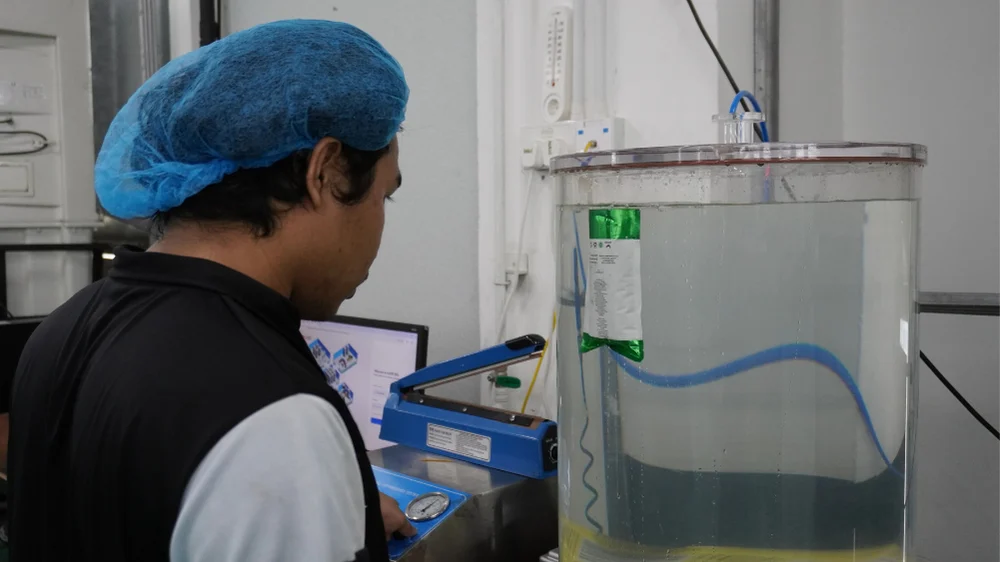
For applicable flexible packaging, EAN Label uses a water-pressure bubble leak test to check for visible leakage. The finished package is placed in water and tested using pressure; if a continuing stream of bubbles appears from a seal or package area, it may indicate air escaping through a leak.
This test helps identify visible leakage before release. It does not need to be applied to every packaging format, and detailed pressure settings or internal acceptance limits are not disclosed here.
Together, during-production and after-production QC help protect the product by checking packaging function and protect brand reputation by reducing visible defects and inconsistencies before delivery.
Good packaging should not only look right. It should also perform as intended.
Which Quality Checks Apply to Different Packaging Products?
The seven checks are adapted to each packaging product.
| Packaging type | Main QC focus | Typical business risk |
|---|---|---|
| Flexible packaging | Artwork, colour, dimensions, seal areas and leakage where applicable | Poor fit, leakage or inconsistent shelf appearance |
| Sticker labels | Artwork, colour, print clarity, die-cut position and adhesion | Lifting labels, unreadable details or weak brand presentation |
| Packaging boxes | Artwork, colour, dimensions, score lines, folding, glue and fit | Difficult assembly, poor product fit or damaged presentation |
A dry-food pouch, chilled bottle label and retail carton do not face the same conditions. Buyers should tell the supplier how the packaging will be filled, applied, stored and handled so the QC focus can match the real use.
Across all three formats, the QC journey is
Before Production → During Production → After Production or Final Check → Final Release.
The exact checks vary according to the packaging type.
Sticker Label Quality Control

- Before Production: Artwork and size are confirmed with the customer. A sample may be provided where applicable.
- During Production: Checks focus on colour accuracy, print clarity, registration (colour alignment), size and die-cut position.
- Final Check: Finished appearance, colour consistency, cutting consistency and visible defects are reviewed before release.
These checks help the label fit correctly and maintain a consistent, professional brand appearance.
Flexible Packaging Quality Control
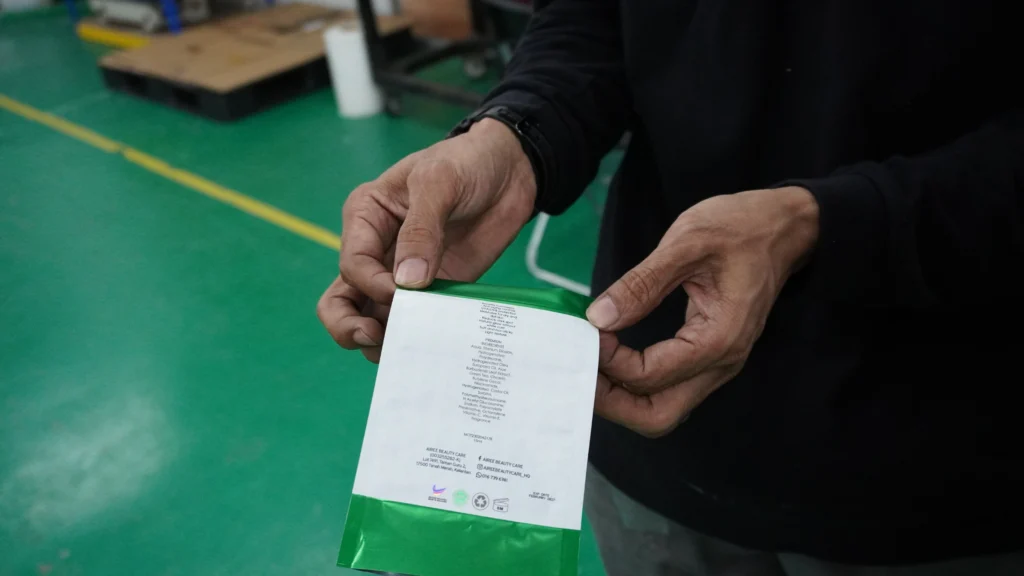
- Before Production: Artwork and dimensions are confirmed. A sample may be provided before mass production where applicable.
- During Production: Checks cover colour, print quality, registration, dimensions, cutting position and the relevant sealing position.
- After Production: Seal integrity, visible leakage and functional condition are reviewed. Applicable flexible packaging may also receive the water-pressure bubble leak test described earlier.
Flexible packaging QC checks both print accuracy and finished packaging performance before release.
Packaging Box Quality Control
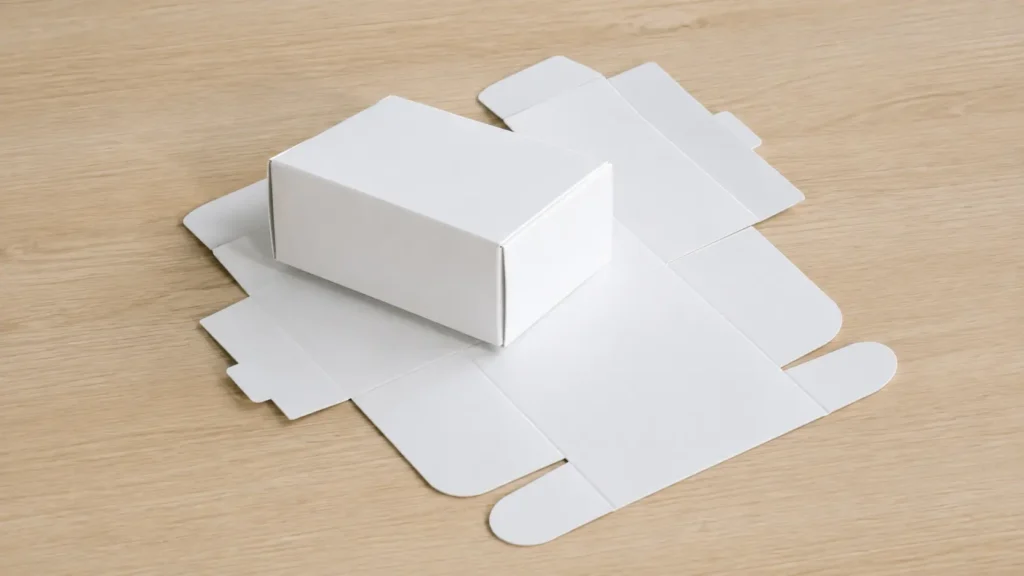
- Before Production: Artwork and dimensions are confirmed. A mock-up or sample may be provided to check fit, structure and overall design before mass production.
- During Production: Checks cover colour, print quality, dimensions, cutting position, score-line position and folding alignment.
- Final Check: Box structure, assembly, glue condition where applicable, overall appearance and product fit where applicable are reviewed before release.
The mock-up helps reduce the risk of producing boxes that do not fit the product or match the intended structure.
How Does QC Protect the Product?
Packaging QC helps identify conditions that could affect containment, fit, identification or handling before the packaging is used. Correct dimensions support filling and packing, clear printing protects important product information, and relevant seal checks help identify visible leakage in applicable flexible packaging.
QC does not replace testing the packaging with the actual product, packing process, transport and storage conditions. However, controlled packaging checks create a stronger starting point and reduce preventable risk.
For a buyer working to a launch deadline, that control also supports continuity. Problems found during production are usually easier to correct than defects discovered after the packaging has been filled or distributed.
How Does Packaging QC Protect Brand Reputation?

Customers do not see the printing process behind a product. They see the final packaging, and its colour, readability, labels and structure all shape their first impression of the brand.
A lifting label can make a new item appear old. A leaking pack can reduce trust in the product. An unclear ingredient panel or instruction line can make the brand seem careless. A poorly assembled box can weaken the unboxing experience even when the product inside is excellent.
Consistent packaging shows that the brand pays attention to detail. For repeat orders, approved references and recorded requirements also give the buyer and supplier a clearer basis for maintaining the same result over time.
What Happens When Printed Packaging Fails QC?
A failed QC result should lead to a controlled review and correction process rather than automatic release.
- Hold the affected output so it is not mixed with accepted packaging.
- Record the issue against the approved artwork, specification or check requirement.
- Identify the likely cause, such as the file version, print setup, material, cutting position or sealing condition.
- Correct the process and produce a new sample.
- Repeat the relevant check to confirm that the issue has been addressed.
- Release the job only after acceptance.
This protects the customer from avoidable defects and gives the supplier a clear basis for correction and release.
Why Choose EAN Label for Quality-Controlled Packaging Printing?
From artwork confirmation and sample checking to production QC and final inspection, EAN Label applies quality checks throughout the packaging production process. The applicable checks vary by packaging type, helping identify print, colour, size, structural or functional issues before final release.
As a Malaysian manufacturer, EAN Label offers flexible packaging, sticker labels and packaging boxes through one supplier. This one-stop range helps businesses coordinate several formats without managing separate printing partners.
Customers can also evaluate EAN Label through verified operating credentials:
- ISO 9001:2015-certified quality management (ISO explains the standard here)
- in-house production across flexible packaging, labels and boxes
- Malaysian manufacturing experience since 2006
- 10,000+ clients served across Malaysia and other markets
- fast turnaround capability, supported by Malaysia Book of Records recognition in 2022 for packaging-printing and stand-up-pouch production lead time
Choosing a supplier with a controlled QC process can help reduce avoidable packaging issues before they affect the product, launch schedule or customer experience.
Ready to discuss quality-controlled packaging for your next order? Request a quotation from EAN Label and share your artwork, dimensions, material requirements, quantity and intended application with our team.
Contact Us
Want to know the price or need us to recommend the best solution for you? Just fill in the simple form below and we’ll assist you right away.
Enquiry Form
Request a Quote?
Share your requirements and connect with our expert custom packaging manufacturer. Contact EAN Label today!
Connect with us!