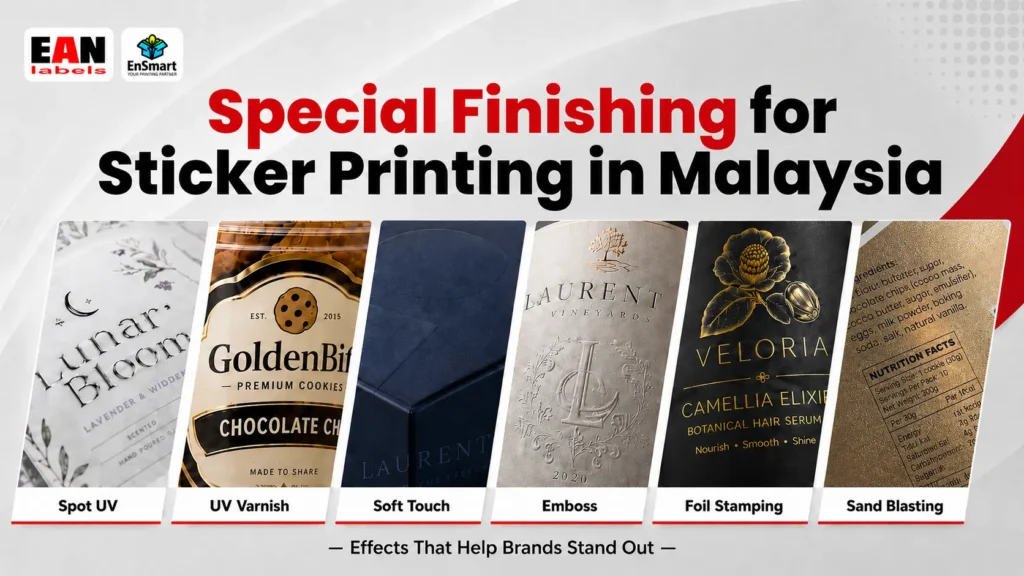
Special finishing can give a sticker label something a flat print cannot: a shine on selected details, a texture you can feel, a metallic accent, or a surface that behaves differently under light.
This guide looks at six special finishing effects used in sticker printing in Malaysia: Spot UV, UV Varnish, Soft Touch, Emboss, Foil Stamping and Sand Blasting. It explains what each one is, what it does, and why a brand might choose it.
Each finishing works differently, and none of them is automatically the “right” choice. The sections below explain what to expect from each one so you can match the effect to your own design.
What Is Special Finishing?
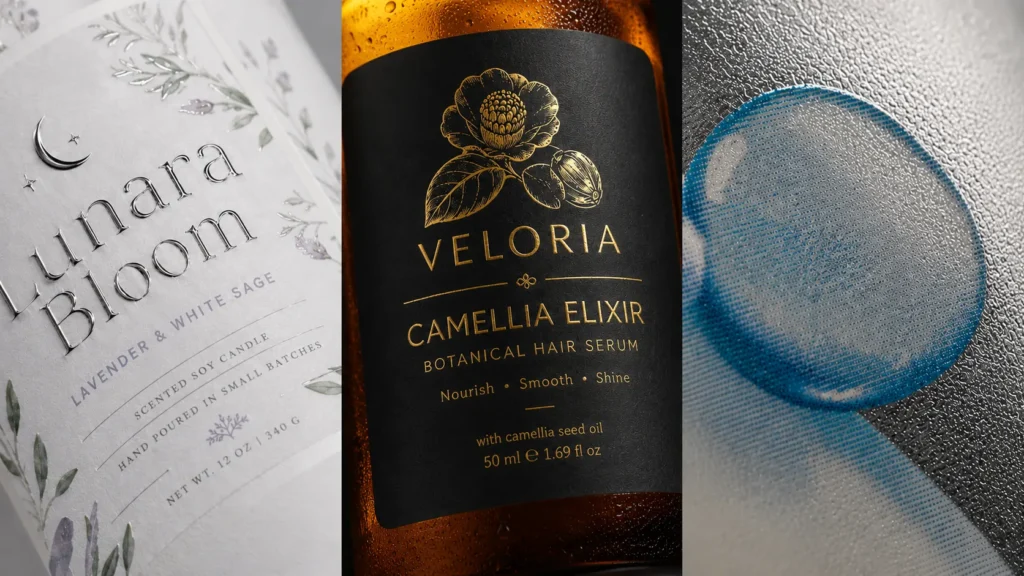
Special finishing refers to additional surface or design treatments applied after printing to create a more distinctive visual or tactile effect. Instead of stopping at ink on paper or film, a finishing step is added on top, over the whole sticker or just selected parts of it.
Depending on the technique, finishing can:
- highlight certain design elements, such as a logo or product name
- create texture that can be felt as well as seen
- add shine to specific areas or the full surface
- create a metallic effect
- make packaging more interesting to see or touch
The right finishing depends on the design, the material and the effect a brand wants to achieve.
1. Spot UV
Spot UV adds a clear, glossy and slightly raised finishing effect to selected areas of a sticker. Common areas include a logo, product name, key wording or pattern, rather than making the entire sticker surface glossy.
Its main advantage is that it helps important design details stand out. When light hits the Spot UV area, it appears shinier than the surrounding printed surface and also feels slightly raised. Customers can see the difference and feel the raised texture when touching the sticker.
For brands, Spot UV is not simply about making a sticker shinier. It helps draw attention to important parts of the design, such as a logo, product name, wording or key graphic detail.
Because Spot UV is applied only to selected areas, it can add more depth to the design while keeping the rest of the sticker surface unchanged.
Common Applications
- Skincare and cosmetics sticker labels
- Premium food packaging
- Gift packaging
- Branding stickers where a logo or product name needs to stand out from the rest of the design
2. UV Varnish
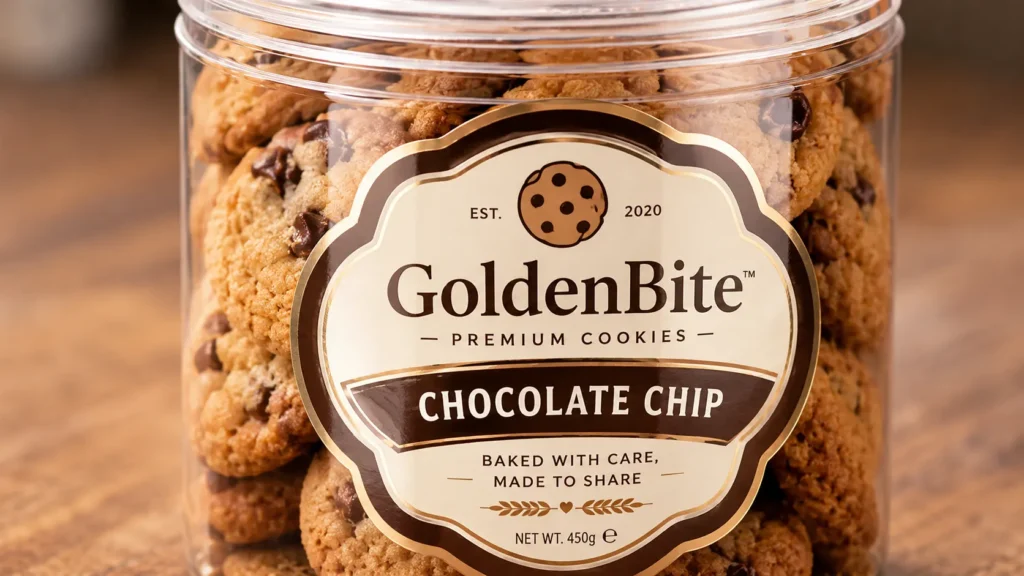
UV Varnish applies a clear coating across a larger area or the full printed surface of a sticker, creating a smooth, reflective and polished appearance.
Unlike Spot UV, which highlights selected areas, UV Varnish is mainly used to enhance the overall artwork. When the full sticker design needs additional shine, especially when the artwork contains colourful graphics, UV Varnish can make printed colours appear more vibrant while giving the surface a more polished finish.
It works well when the artwork itself is the main visual focus. Instead of highlighting only one logo or wording element, UV Varnish gives the entire sticker design a more consistent glossy appearance.
Its main value is therefore in enhancing the overall printed surface rather than drawing attention to one selected detail.
Common Applications
- Sticker labels and retail packaging
- Food packaging
- Promotional packaging
- Printed material with colourful artwork that benefits from added surface polish
3. Soft Touch
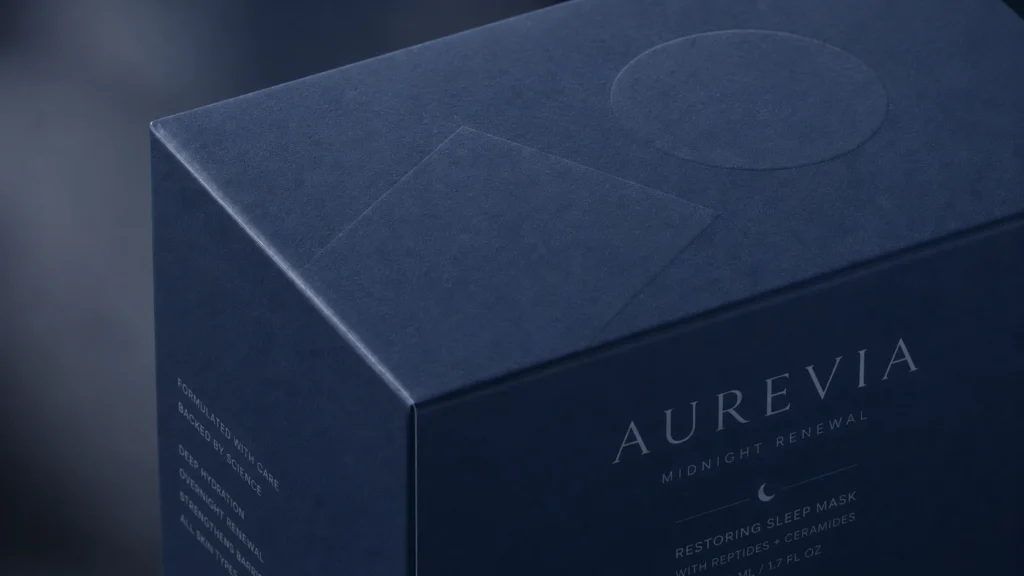
Soft Touch is a finishing that focuses mainly on the tactile experience. The finished sticker surface feels smooth, soft and slightly velvety, while usually having a soft, low-shine appearance.
Unlike finishes that mainly rely on shine or reflection, the most noticeable part of Soft Touch is experienced when customers actually hold the product. When a finger moves across the sticker surface, it feels softer and smoother than a standard printed surface.
Visually, Soft Touch usually also has a soft matte appearance with lower glare. Combined with its velvety texture, this can give the sticker a more refined and luxurious feel without relying on a glossy or highly reflective surface.
For brands that place importance on product experience, Soft Touch can make the packaging feel more considered and luxurious when customers pick up a bottle, jar or package. The tactile surface becomes part of the overall brand experience, not just the printed design.
Common Applications
- Skincare and cosmetics
- Supplements
- Lifestyle products
- Gift packaging, where the packaging is often held or unboxed as part of the customer experience
4. Emboss
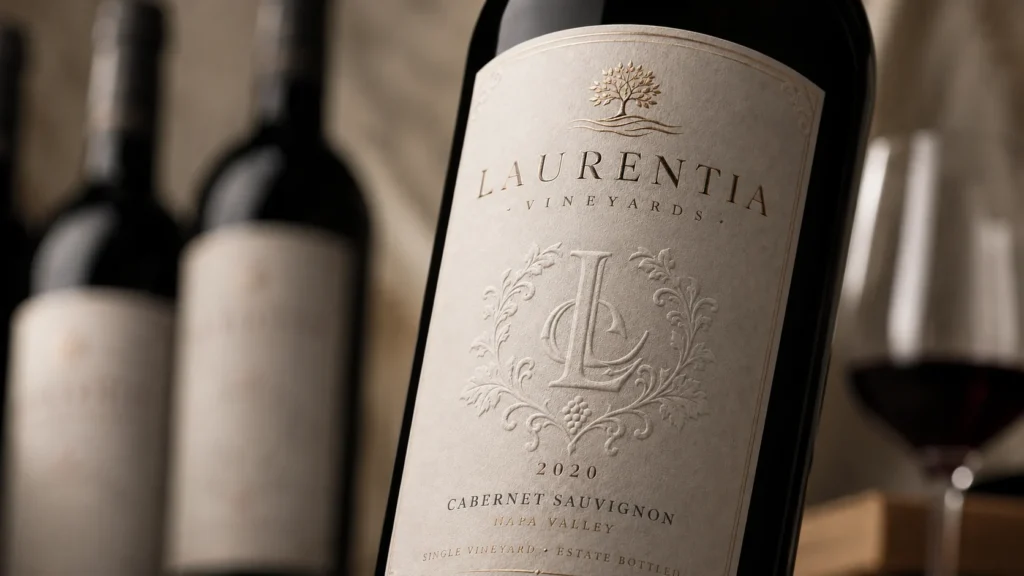
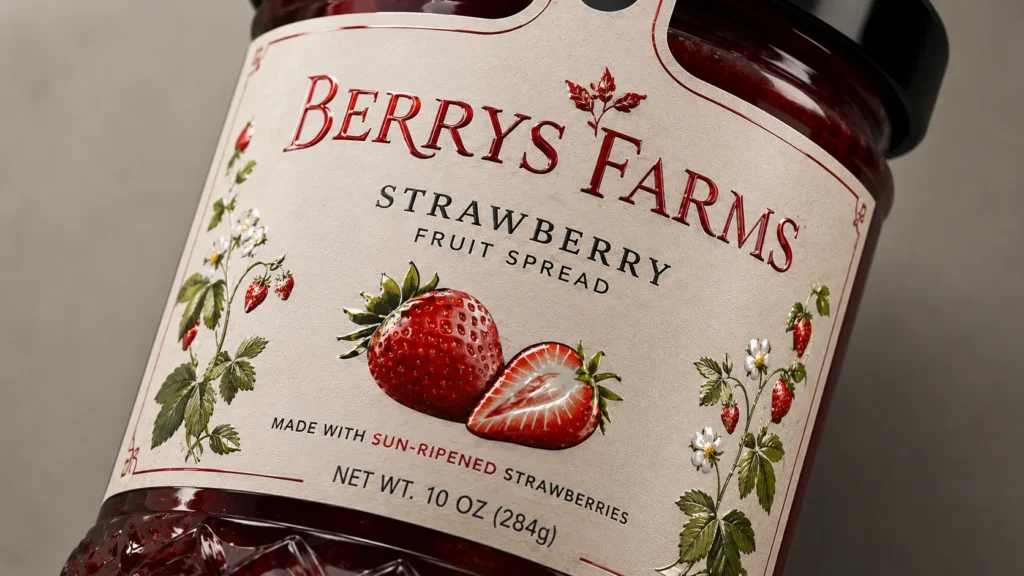
Emboss physically raises selected parts of a sticker design to create real depth and texture. Common areas include a logo, brand name, border or selected pattern.
Unlike finishing effects that only change surface shine, Emboss creates a raised surface that customers can both see and feel. From different viewing angles, the raised area adds visible depth, while touching the sticker makes the texture easy to notice.
Its value comes from giving important branding elements a stronger physical presence. Even when a design is simple and does not rely on many colours or complex graphics, Emboss can make a logo or brand name stand out through texture.
The raised effect adds depth without relying only on colour or gloss, which can make simple artwork look more detailed and carefully finished.
However, Emboss depends on material suitability. Not every sticker material will produce the same raised effect, so the material should be checked before the artwork and production are finalised.
Common Applications
- Packaging boxes
- Corporate packaging
- Premium product lines
- Gift packaging and sticker labels where the material is technically suitable
5. Foil Stamping
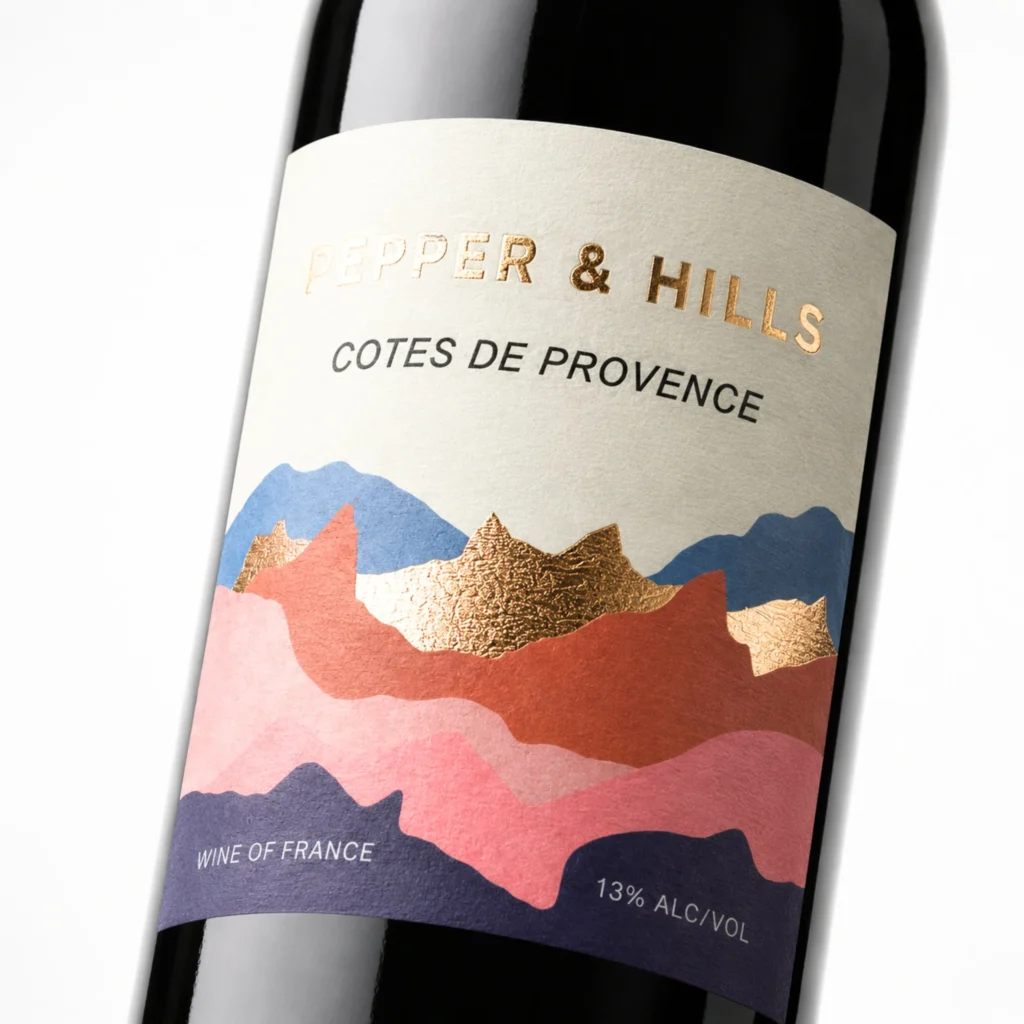
Foil Stamping adds a reflective metallic foil detail to selected areas of a sticker. Common areas include a logo, product name, wording, border or decorative elements.
Gold and silver are common foil choices, while selected other foil colours may also be available depending on the design and production requirements.
One of the main features of Foil Stamping is the way the metallic surface reacts to light and viewing angles. When the sticker is moved, tilted or viewed under different lighting, the foil area reflects light and creates a clear visual focal point.
A large foil area is not necessary to create an impact. In many designs, adding foil only to a logo, product name or small decorative detail is enough to make that part of the artwork more noticeable.
Foil Stamping can therefore be used to add a metallic accent, highlight important branding elements or introduce another visual layer without making the entire sticker surface metallic.
Common Applications
- Cosmetics and skincare
- Festive packaging
- Premium food products
- Gift packaging and corporate products where a specific detail is meant to stand out
6. Sand Blasting
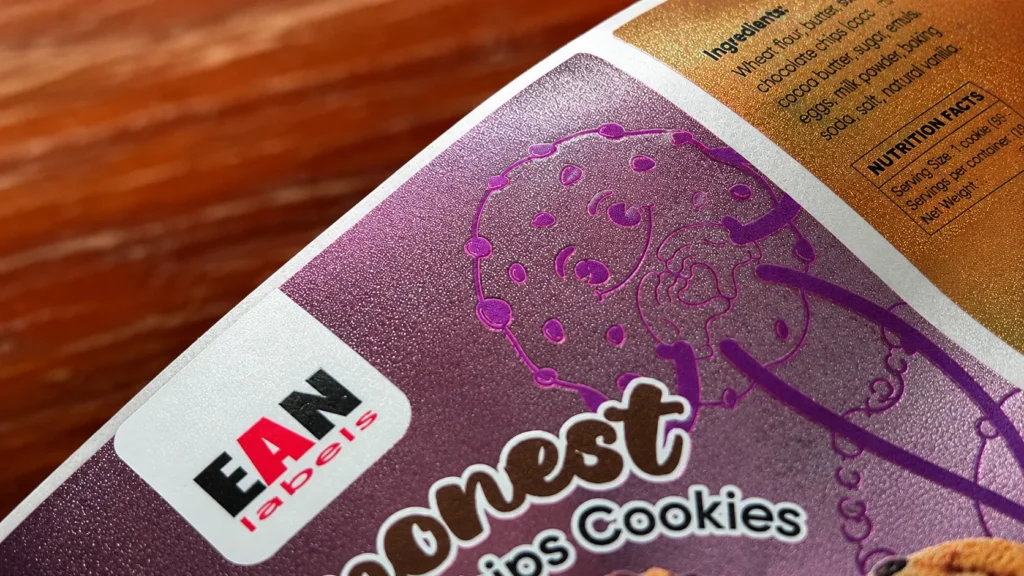
Sand Blast is a special finishing that creates a fine, frosted-style texture on the sticker surface.
Under light, the finished area appears softer than a normal smooth printed surface, while the texture also feels different when touched. Instead of creating a strong glossy or metallic reflection, Sand Blast adds a more subtle and understated surface character.
The effect is often more noticeable when the sticker is viewed or touched up close. This makes it suitable for designs that want a distinctive texture without relying on a bright or highly reflective finishing effect.
Sand Blast is especially recommended for Silver PP stickers, as this material can show the frosted-style texture and surface contrast clearly.
Common Applications
- Beverage products
- Beauty & Personal Care
- Lifestyle products
- Selected consumer products
Special Finishing at a Glance
| Finishing | Main Effect | What It Looks / Feels Like | Common Applications |
|---|---|---|---|
| Spot UV | Glossy, slightly raised highlight | Glossy and slightly raised on selected areas only | Skincare & cosmetics stickers, premium food and gift packaging |
| UV Varnish | Overall surface shine | Smooth, reflective surface; colours appear more vibrant | Sticker labels, retail, food and promotional packaging |
| Soft Touch | Soft tactile feel | Soft, smooth, velvety feel with a soft matte look | Skincare, cosmetics, supplements, lifestyle and gift packaging |
| Emboss | Raised texture and depth | Raised design that can be seen and felt | Packaging boxes, corporate, premium and gift packaging |
| Foil Stamping | Metallic accent | Reflective metallic detail | Cosmetics, skincare, festive, premium food and corporate packaging |
| Sand Blasting | Frosted surface texture | Fine, frosted texture with a softer, less reflective look | Recommended for Silver PP; beverage, beauty, lifestyle and selected consumer products |
Why Special Finishing Matters for Sticker Printing
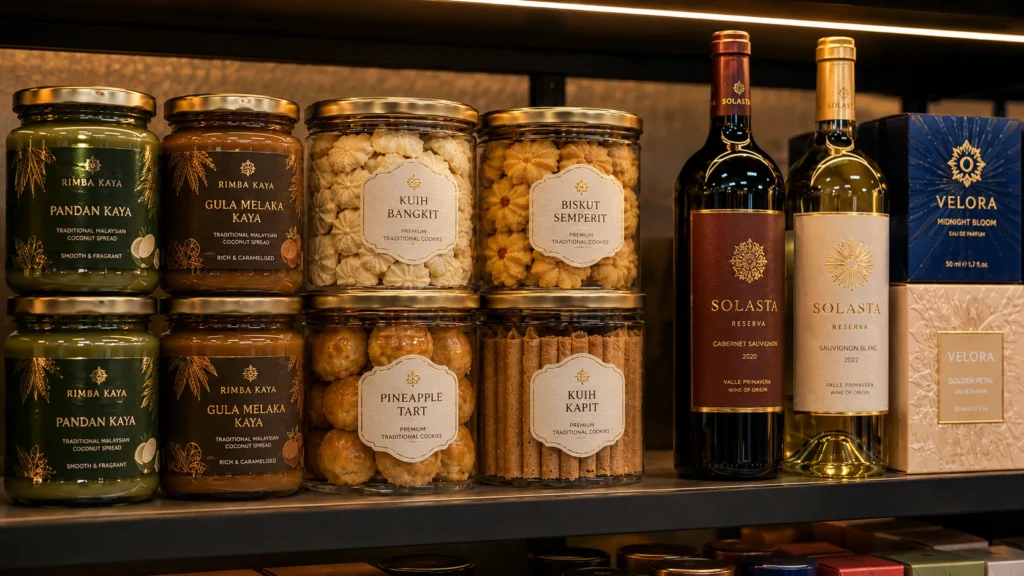
Special finishing plays a practical role in how a sticker is noticed on a shelf or experienced in the hand. It can highlight important design elements, add visual interest to a flat printed surface and create a tactile effect that printed colour alone cannot offer.
For brands selling in a crowded category, the right finish can help a sticker look different from similar products and support the personality the brand wants to project, whether that is bold and festive or quiet and understated. Finishing works best when it strengthens a clear sticker design rather than being added only for decoration.
How to Choose the Right Finish for Your Sticker
The right finishing depends on the effect a brand wants to create:
- Highlight a logo or wording: Spot UV or Foil Stamping
- Create a polished printed surface: UV Varnish
- Create a soft tactile feel: Soft Touch
- Add raised texture: Emboss
- Create a metallic accent: Foil Stamping
- Create a frosted or textured surface effect: Sand Blasting
Final suitability depends on several factors, including the sticker material, artwork, printing method and finishing area. Not every finishing works with every sticker material or design, so it is worth checking suitability with your printing supplier before confirming production.
Most brand owners know roughly what they want before they know what it is called. You might already have a picture in mind: the logo needs to catch the eye, one part of the sticker should feel different, or the surface should have some shine without looking like every other product on the shelf. Matching that idea to the right finishing is where a printing supplier can help.
Rather than guessing between six finishing names, describe the effect you want and let your supplier narrow down the options. Sharing your sticker artwork, a reference image or simply the look and feel you have in mind gives the printing team enough information to recommend a direction that suits the material and production requirements.
Special Finishing for Sticker Printing with EAN Label
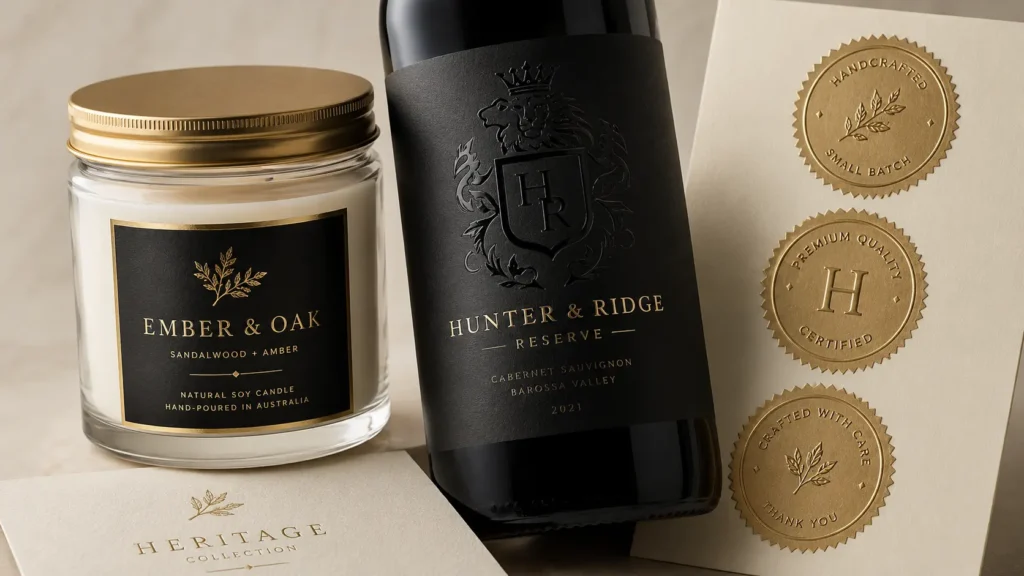
EAN Label Industry Sdn Bhd is a Malaysia-based packaging and printing manufacturer offering custom Sticker Labels for different branding and product applications. Finishing availability depends on the sticker material, artwork and production requirements, so not every finishing discussed in this guide is suitable for every sticker design.
If you already have a look or feel in mind but are not sure which finishing can achieve it, our team can help translate that idea into a practical direction based on your sticker artwork, material and application.
Send us your sticker artwork or a reference image and share the effect you are looking for. Our team will help narrow down the finishing options that suit your sticker material and production requirements. Get a free quote today or explore our sticker printing services.
Frequently Asked Questions
Contact Us
Want to know the price or need us to recommend the best solution for you? Just fill in the simple form below and we’ll assist you right away.
Enquiry Form
Request a Quote?
Share your requirements and connect with our expert custom packaging manufacturer. Contact EAN Label today!
Connect with us!